


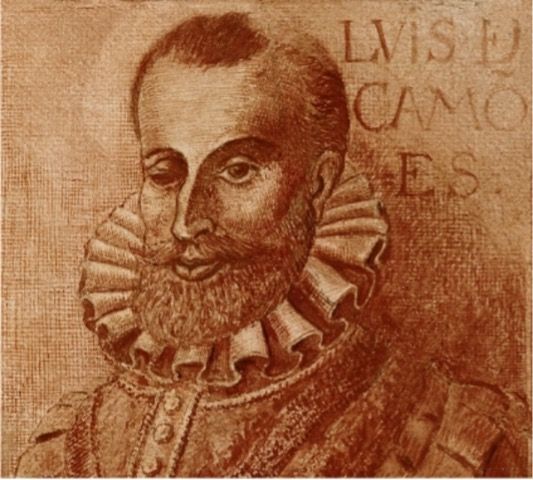
Luís de Camões
(1524/1525?-1580)
Regarded as one of the greatest poets of the Portuguese language and indeed, of world literature, Luís Vaz de Camões achieved lasting renown through his epic masterpiece Os Lusíadas, first published in 1572.
Regarded as one of the greatest poets of the Portuguese language and indeed, of world literature, Luís Vaz de Camões achieved lasting renown through his epic masterpiece Os Lusíadas, first published in 1572.
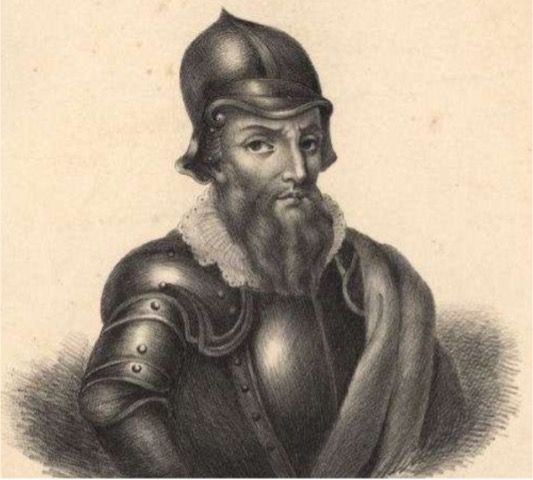
The Portuguese navigator Pedro Álvares Cabral, admiral-in-chief of the armada that set sail for India in 1500, undertook a troubled voyage that ultimately brought him to lands named Vera Cruz. Thus, on 22 April 1500, Brazil was officially discovered.
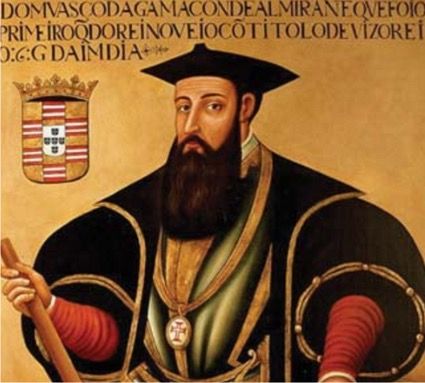
A Portuguese navigator, in 1497–1498 Vasco da Gama commanded the fleet on the first exploratory voyage to India by sea, becoming the first European to complete this journey (1497–1499). For his achievements in 1502, he was honoured by King Manuel I with the title of "Admiral of the Seas of India, Persia, Arabia, and the entire Orient."
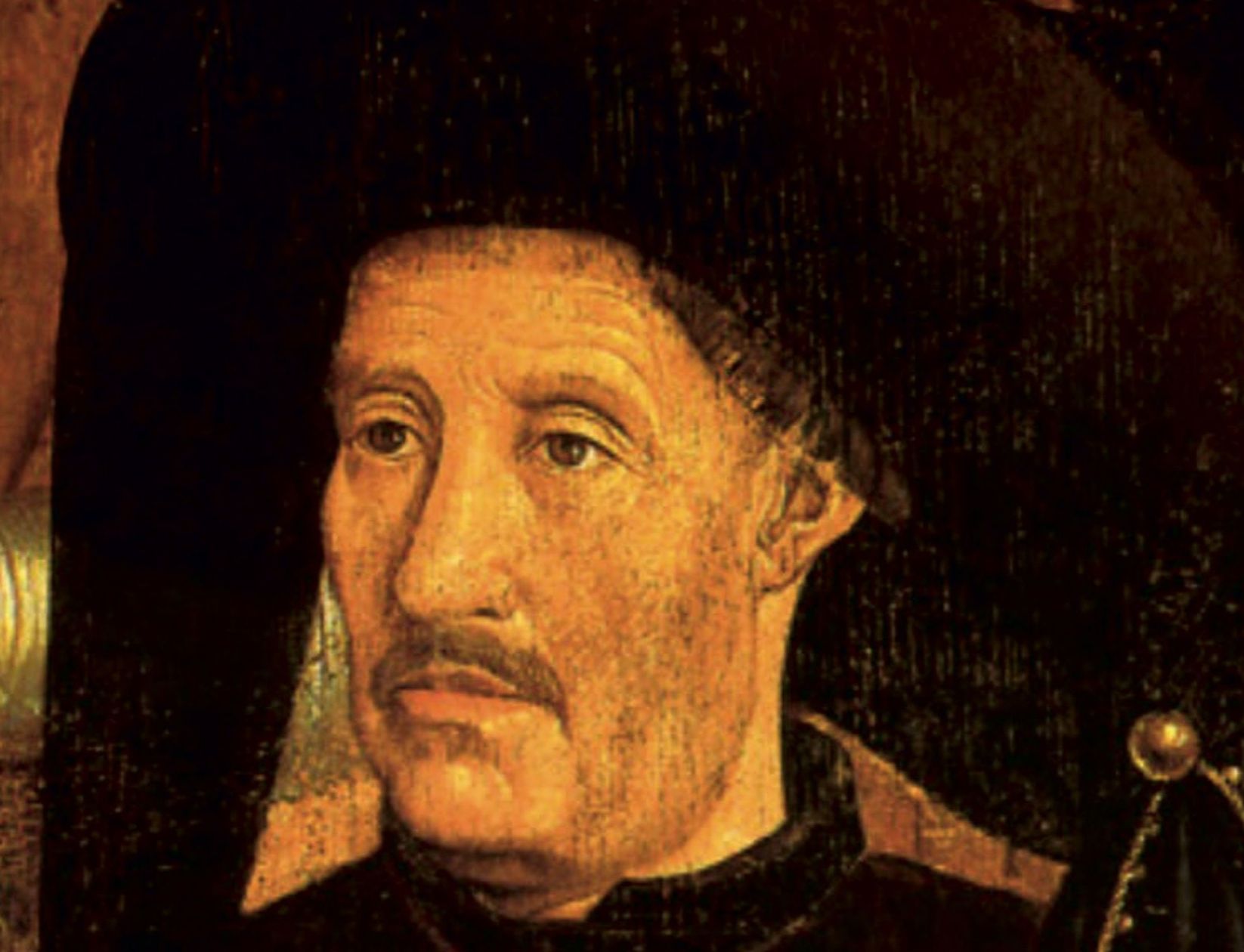
Son of King João I and Philippa of Lancaster, Duke of Viseu, Lord of Covilhã, and governor and administrator of the Order of Christ, Infante Dom Henrique was a central figure in the process of Portuguese expansion and discovery.
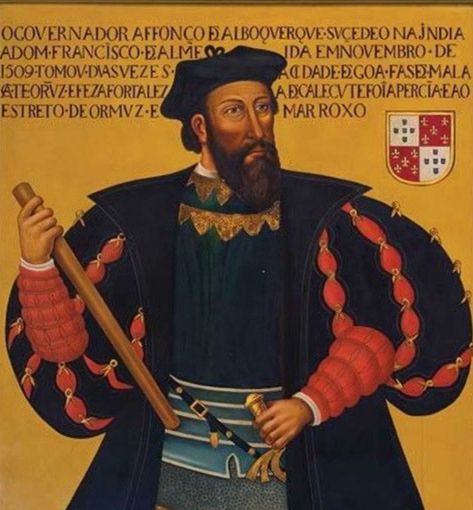
A sailor, soldier, statesman, administrator, and diplomat of noble birth, Afonso de Albuquerque served as the second governor of Portuguese India (1508–1515), and his political and military actions were decisive in establishing the Portuguese empire in the Indian Ocean.
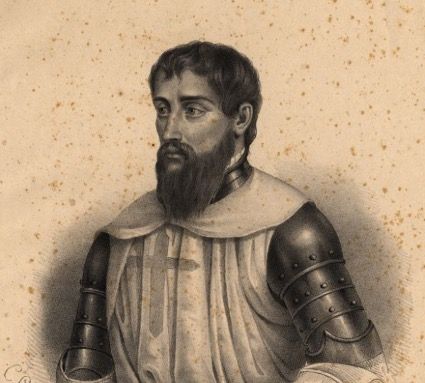
Dom Nuno Álvares Pereira was born in 1360 and rose to prominence through his military victories during the crisis of 1383–1385, most notably at the Battle of Aljubarrota. Constable of the Kingdom, he retired from military life in 1423 and entered the Convent of Carmo as a friar.
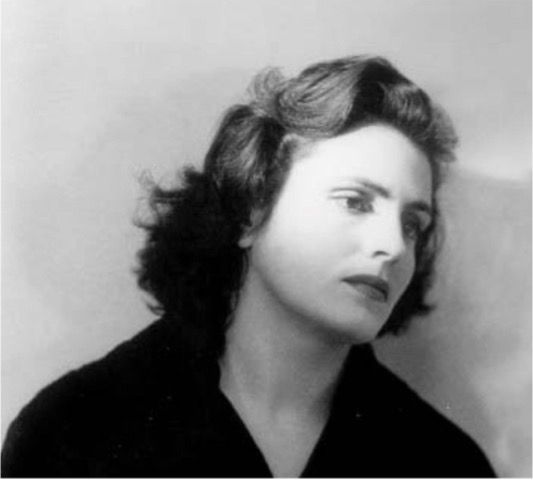
Amália Rodrigues, a central figure in Fado, also achieved distinction as an actress and as a performer of folk music, rumbas, tangos, sambas, and Mexican rancheras. She brought innovation to Fado by setting to music the works of classical Portuguese-language poets, including Luís de Camões.
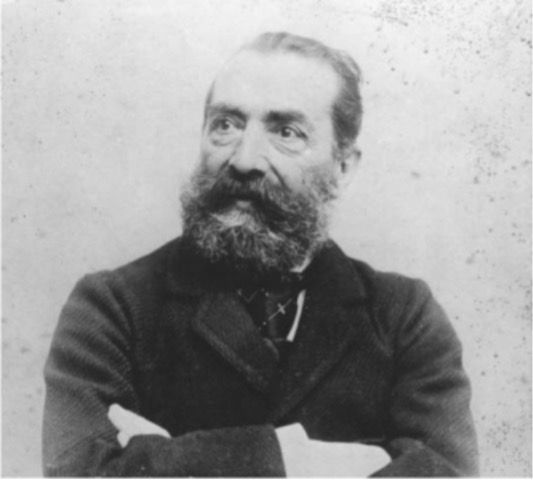
João de Deus is celebrated not only as a poet but, above all, for his pioneering method of teaching reading, grounded in European pedagogical principles and presented in 1876 in the work Cartilha Maternal ou Arte de Leitura (Maternal Primer or Art of Reading)
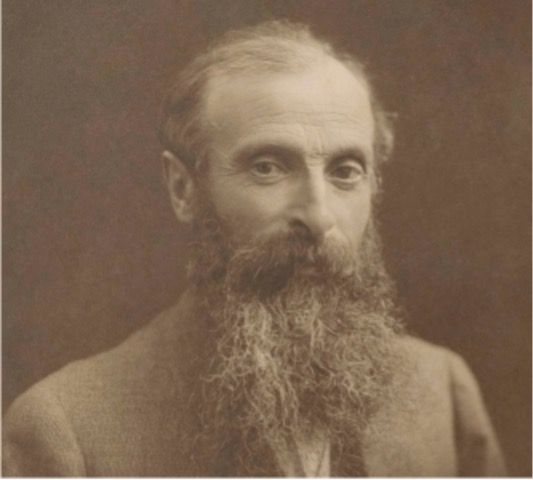
Educated in Law at the University of Coimbra, Guerra Junqueiro was a committed advocate and a prominent national figure. As a provocative writer, he played a key role in shaping the revolutionary atmosphere that culminated in the establishment of the Republic.
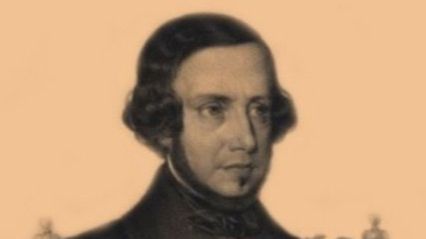
João Baptista da Silva Leitão de Almeida Garrett was a distinguished writer, playwright, and politician. As a member of parliament and minister, he championed the protection of historical and artistic heritage, promoting cultural and educational reforms, particularly in the field of theatre. Together with Passos Manuel, he was one of the driving forces behind the creation of a Pantheon in Portugal, a place intended to honour some of the nation’s most notable figures.
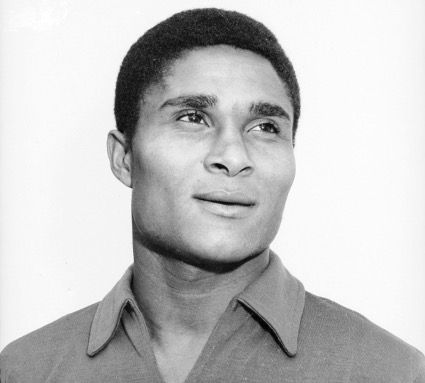
Eusébio, celebrated as the ‘Black Panther’ for his extraordinary speed, technical skill, and powerful shot, was equally esteemed for his fairness on the field. He is indelibly associated with the historic performance of the Portuguese national team at the 1966 World Cup in England.
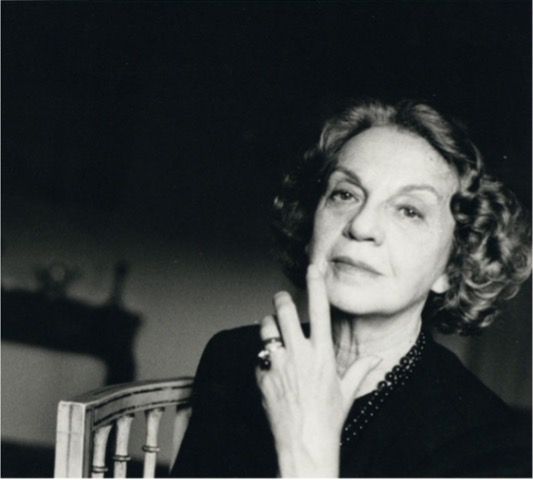
Regarded as one of the foremost poets of the 20th century, Sophia de Mello Breyner Andresen explored themes of time, love, and nature. The sea features prominently throughout her work, alongside enduring references to the Greek world, mythology, and the visual arts.
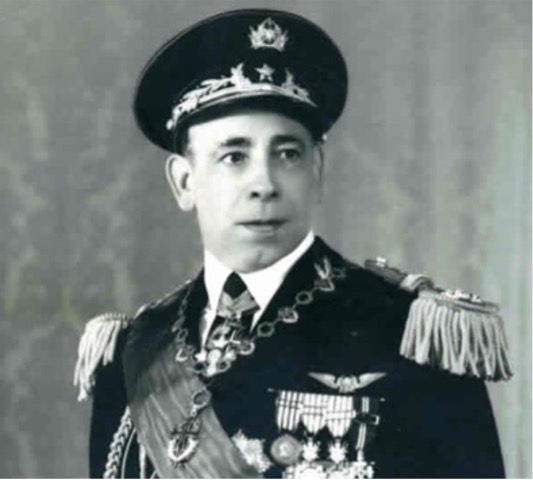
Humberto Delgado, known as the “Fearless General,” was a military officer, pilot, and politician. He was the founder of TAP, Transportes Aéreos Portugueses, in 1945 and, as a candidate for the Presidency of the Republic in 1958, he became famous for one of the most memorable phrases in Portuguese politics: “Obviously, I dismiss you!”
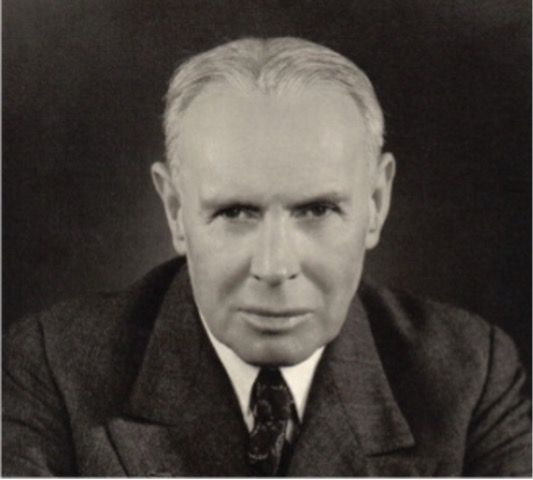
Aquilino Ribeiro had a long and prolific literary career; he translated works, wrote biographies, children’s books, novels, novellas, and memoirs. He contributed to numerous newspapers and magazines and founded the Portuguese Writers’ Society in 1956.
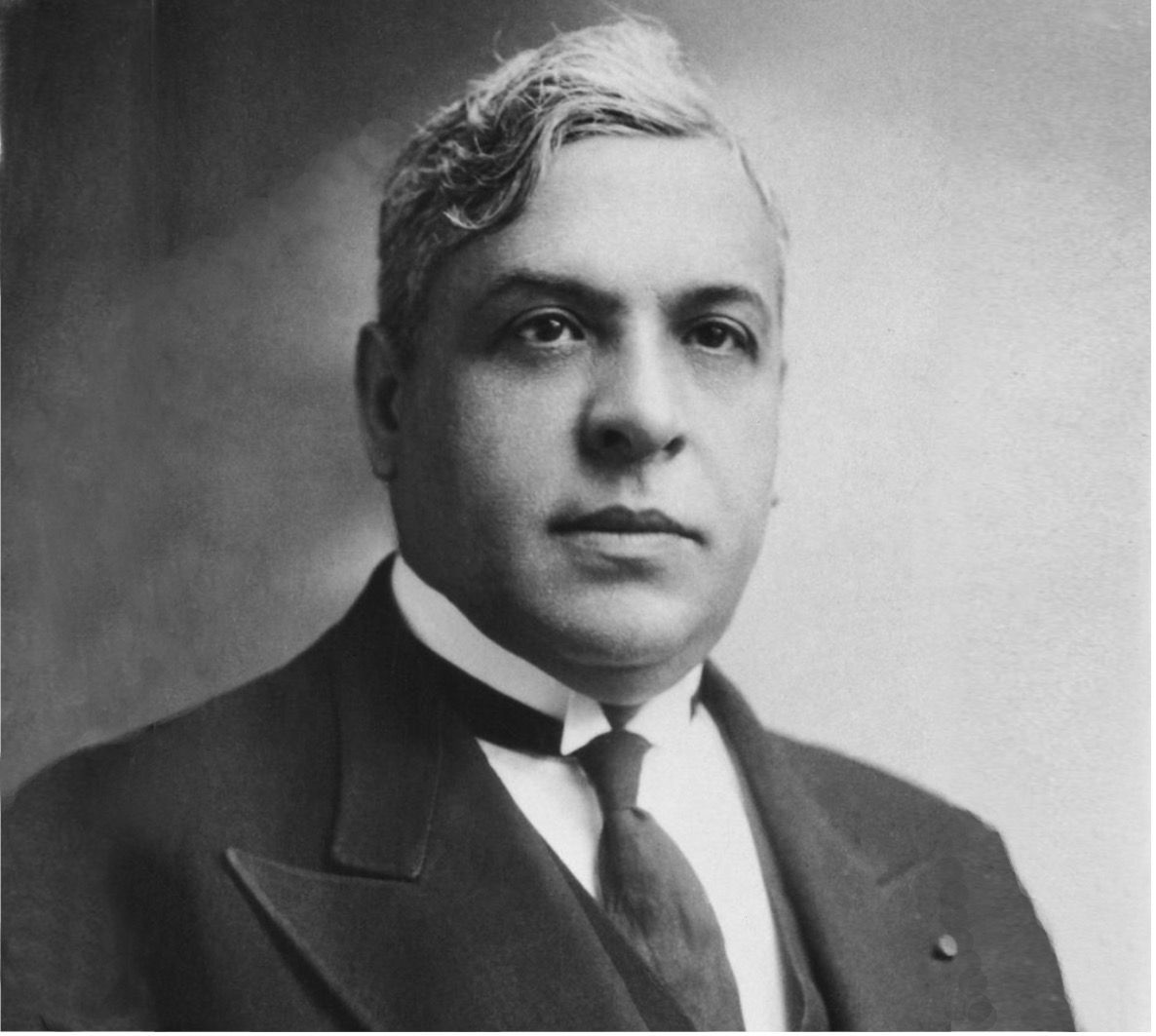
A diplomat and consul in Bordeaux in 1940, Aristides de Sousa Mendes became renowned for issuing numerous visas, in defiance of superior orders, which enabled thousands of people to escape Nazi-occupied France.
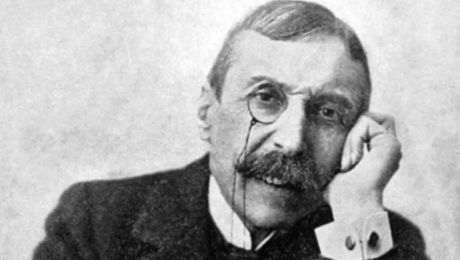
Eça de Queiroz studied in Coimbra, where he became a member of the Generation of ’70, alongside some of the most prominent literary and intellectual figures in Portugal at the time. He began his career as a diplomat in 1872, while continuing his work as a journalist and, above all, as a writer.
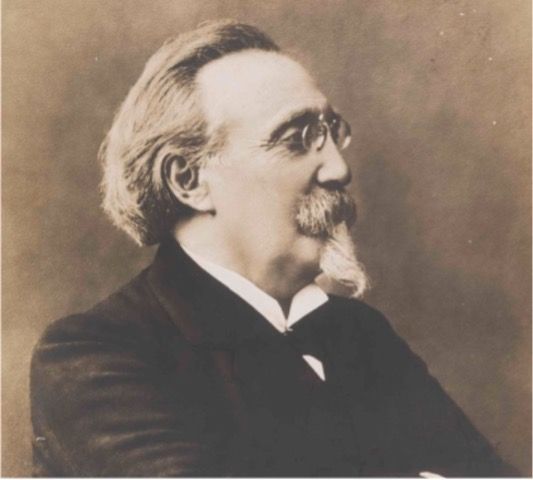
Manuel José de Arriaga Brum da Silveira e Peyrelongue, one of the founders of the Republican Party, was the first constitutionally elected President of the Portuguese Republic.
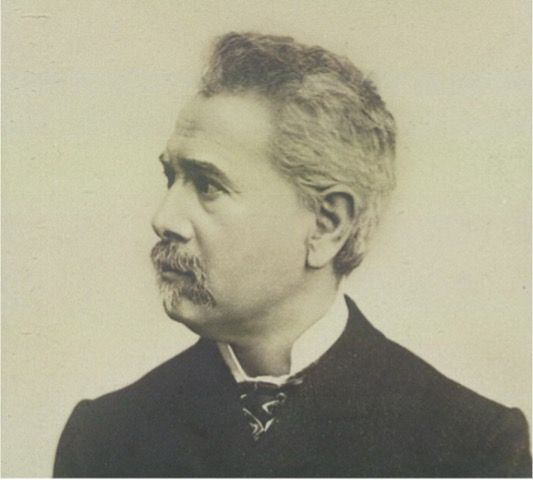
Joaquim Teófilo Fernandes Braga earned his law degree at the University of Coimbra and distinguished himself as a politician, writer, and essayist. As leader of the Republican Party, following the events of 5 October 1910, he assumed the presidency of the Government of the Portuguese Republic, a role he held until August 1911
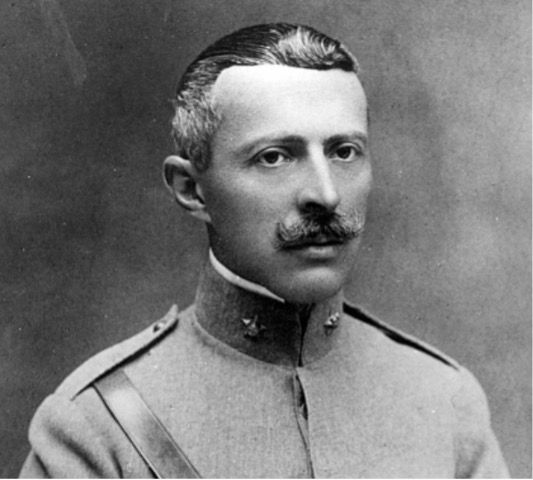
Sidónio Bernardino Cardoso da Silva Pais, a controversial yet charismatic teacher, soldier, and politician, became widely known as the President-King, a title bestowed upon him by the poet Fernando Pessoa. Elected President on 28 April 1918, he governed amidst a climate of profound political instability and was assassinated on 18 December of that same year.
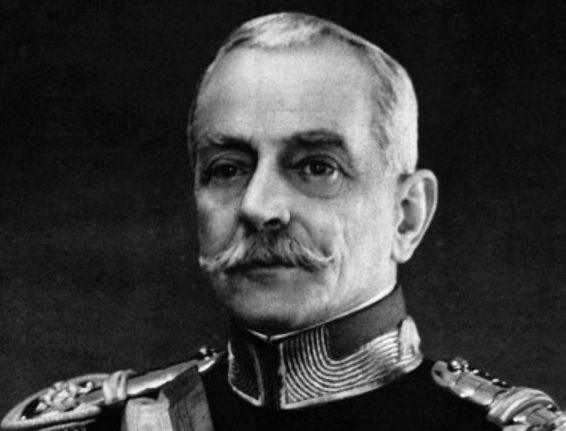
António Óscar de Fragoso Carmona participated in the military coup of 28 May 1926. He held a variety of political offices and served as President of the Republic from 1926 until 1951, the year of his death. He was the longest-serving President of the Republic, holding the position for twenty-five years.